The same class content.
A path for every student.
Your school's material, sentence by sentence, in three modes: text, audio and image.


One of these nights, coming from the city to Engenho Novo, I met on the Central train a young man from the neighborhood, whom I know by sight and by his hat. He greeted me, sat down beside me, talked about the moon and the ministers, and ended up reciting verses to me. The trip was short, and the verses may not have been entirely bad. It happened, however, that being tired, I closed my eyes three or four times; that was enough for him to stop reading and put the verses back in his pocket. I saw him make a gesture to take them out of his pocket again, but it went no further than the gesture; he was sulking. The next day he began to call me ugly names, and ended up nicknaming me Dom Casmurro. The neighbors, who do not like my reclusive and silent habits, gave currency to the nickname, which in the end stuck.
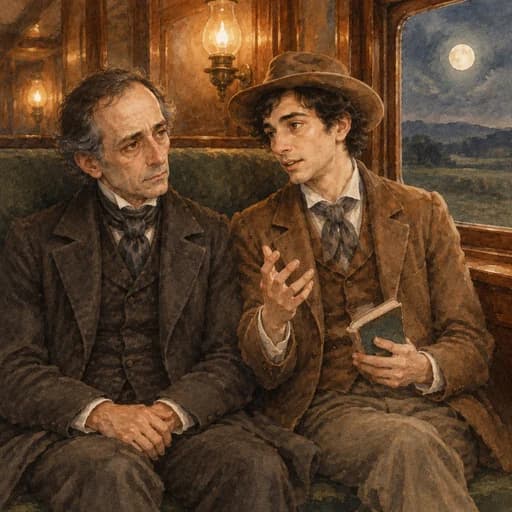
He greeted me, sat down beside me, talked about the moon and the ministers, and ended up reciting verses to me.
No need to change the material.
Each sentence becomes a scene. Tap and see.
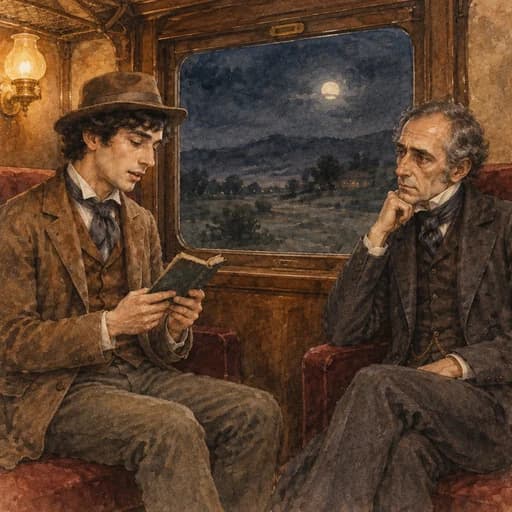
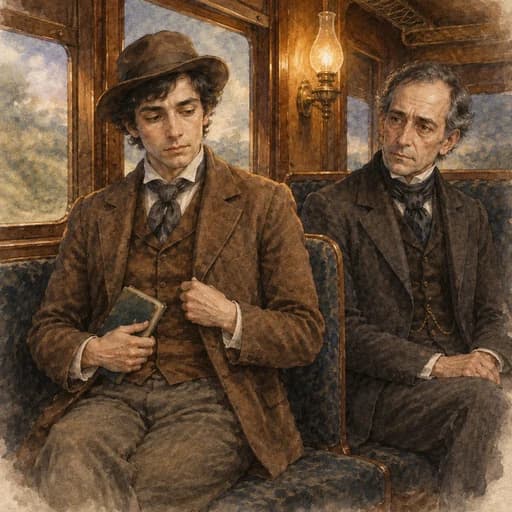
He greeted me, sat down beside me, talked about the moon and the ministers, and ended up reciting verses to me.
Students get the lesson and get stuck reading.
When reading stops being a barrier, the student shows up.
All the content. A new path.
The trip was short, and the verses may not have been entirely bad.
More autonomy for students. More clarity for school leaders.
- Time back for the teacher
- Reading by student and by class
Start small. Decide with data.
Built by someone who lived it up close.
“I interpret the world through visualization.”Felipe Araújo, founder
Recognized in Brazil and abroad.